Rubin is fully committed to the resource efficiency and sustainability of its operations. The company has made significant efforts to meet the ecological, sustainable, and resource-efficient production criteria, while adhering to all commitments under the United Nations Framework Convention on Climate Change (UNFCCC), the Kyoto Protocol, and the Paris Agreement.
We are proud to announce that by 2023, Rubin has already achieved the goals outlined in both the company’s sustainability program and the national program of Bulgaria for the year 2030.
Gas Supply Optimization
Rubin employs cutting-edge technologies to optimize gas consumption throughout the production process. Innovative techniques and state-of-the-art equipment are integrated into our operations, enabling us to reduce gas usage while maintaining high productivity levels. This not only helps decrease carbon emissions but also enhances the competitiveness and reputation of the company.
Preserving Water Resources
Rubin adopts rainwater harvesting practices, capturing and utilizing rainwater for various production needs. This innovative approach creates a closed-loop system, where collected water is treated and reused, reducing the reliance on external water sources and promoting sustainable water usage. By implementing this method, Rubin minimizes dependence on the public water supply and helps mitigate the risk of water resource depletion.
Green Energy
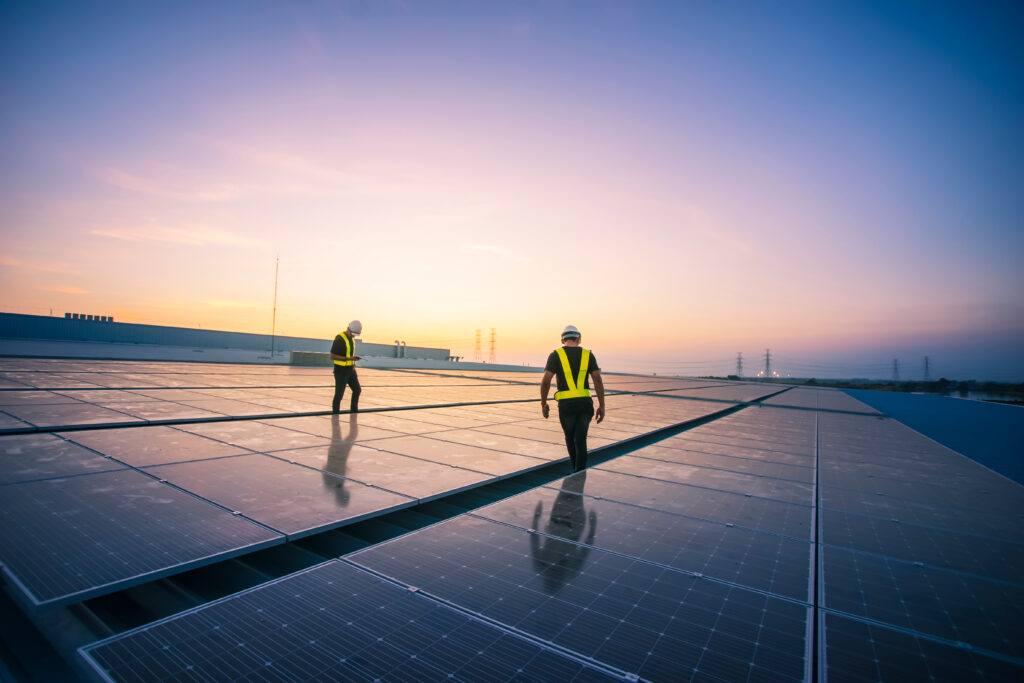
Rubin is adopting photovoltaic technology as a core strategy to strengthen its sustainability initiatives. By harnessing solar energy and converting it into usable electricity, Rubin is reducing its reliance on conventional energy sources and minimizing carbon emissions. Currently, the facility has an installed photovoltaic capacity of 2 MW, with plans for a full expansion to meet the company’s energy needs. The anticipated total capacity will reach 10 MW, reinforcing Rubin’s commitment to a more sustainable future.
Glass Recycling
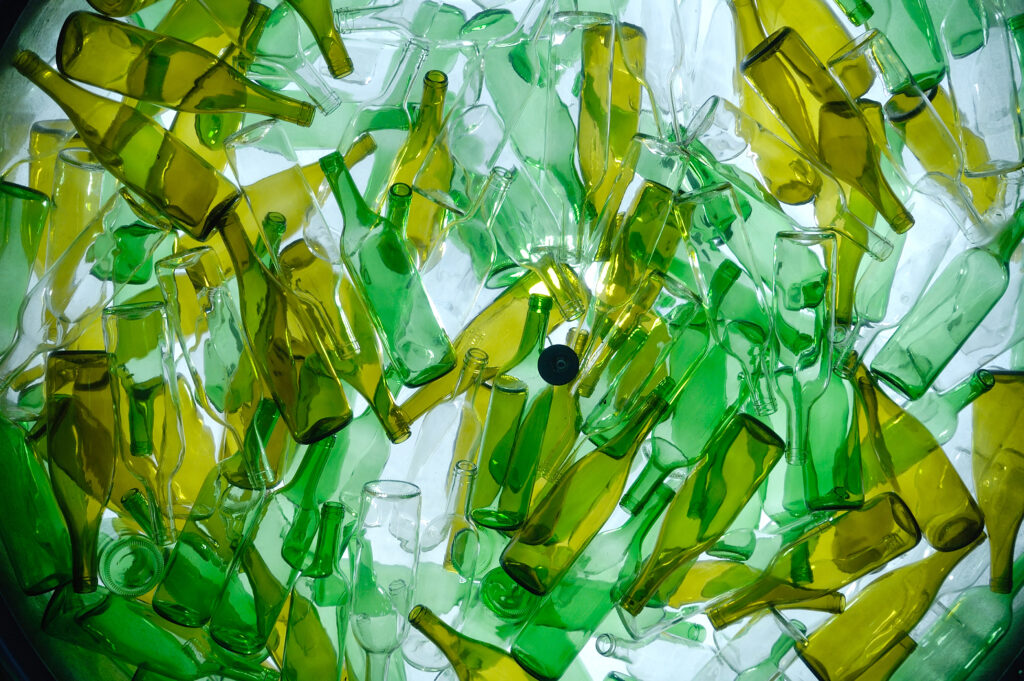
As part of its commitment to sustainable practices, Rubin places significant emphasis on glass recycling. By reintegrating cullet into the production process, the company not only reduces waste but also minimizes the need for raw material input. Recycled glass melts at a lower temperature compared to virgin raw materials, resulting in reduced energy consumption during manufacturing and further lowering the carbon footprint. Additionally, for every ton of cullet used, up to 1.2 tons of raw materials are conserved. This process reflects Rubin’s dedication to a zero-waste production model, ensuring that every product manufactured embodies sustainability and operational efficiency.
Modern Chemical Analysis Laboratory
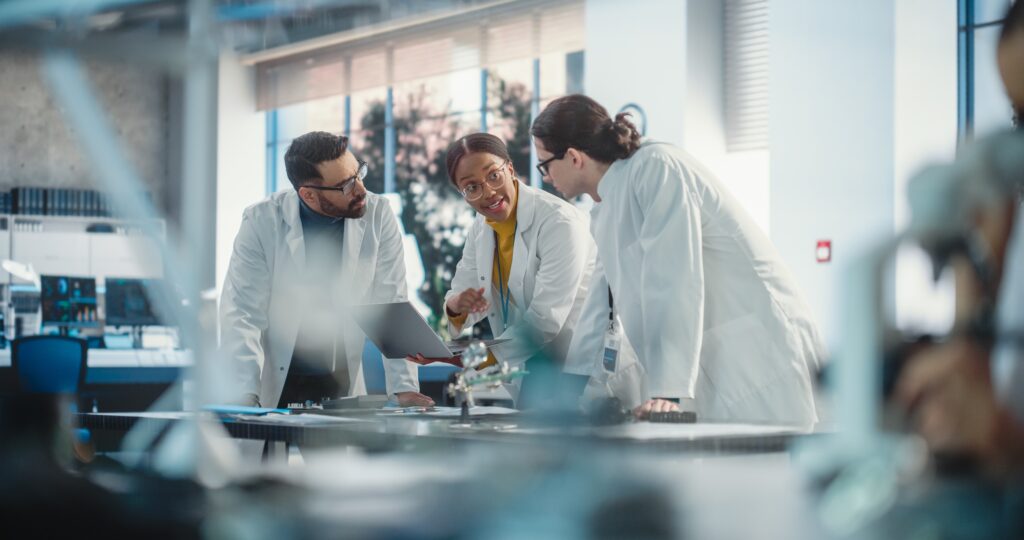
To ensure the highest quality and efficiency in recycling, Rubin has made a substantial investment in a state-of-the-art chemical analysis laboratory. Equipped with the latest technologies, this advanced facility allows for the thorough analysis of the chemical composition of all raw materials, including various types of glass. With this capability, the team can confidently incorporate glass with different chemical compositions into the production process, ensuring that the quality of the final product is never compromised. This investment has enabled Rubin to achieve an impressive 45% recycled content, reaching its 2030 sustainability targets ahead of schedule, in 2023.